
Parsley, Sage, Rosemary, and Thyme: The Secret Language of "Scarborough Fair"
Whether you know it through traditional folk renditions or the iconic harmonies of Simon & Garfunkel, the song "Scarborough Fair" is one of the most hauntingly memorable ballads in the English language. Its enigmatic refrain—parsley, sage, rosemary, and thyme—and its list of impossible demands have fascinated listeners for centuries.
But what is the true origin of this classic folk song, and what do those four famous herbs actually mean?
From Supernatural Riddles to Human Heartbreak
The melody and lyrics of Scarborough Fair trace their oldest roots back to a 17th-century Scottish ballad known as The Elfin Knight. In these early traditional versions, the story had a supernatural edge: a magical elfin figure threatens to abduct a young mortal woman unless she can successfully answer a series of impossible, logic-defying riddles.
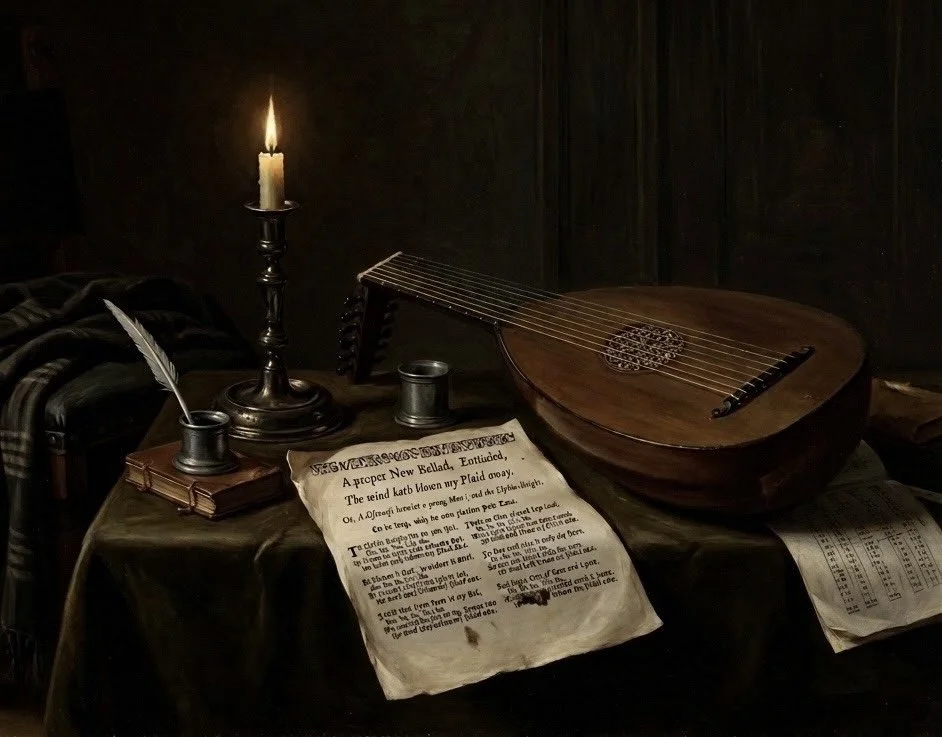
As the song migrated south into Yorkshire over generations, the magical elements faded away. It transformed into an earthly, deeply human dialogue between two estranged lovers.
The lovers challenge one another across the distance with tasks no mortal could accomplish:
Making a cambric shirt without seam or needlework
Finding an acre of land between the saltwater and the sea strand
Ploughing that land with a ram’s horn and sowing it with a single peppercorn
Rather than mere nonsense, these impossible demands served as a poetic test: a declaration that restoring a broken, long-distance relationship requires a devotion so fierce it borders on the miraculous.
A Battle of Wits: How the Lyrics Evolved
Because Scarborough Fair was passed down through oral folk traditions for centuries before ever being printed on broadsides, its lyrical structure varies wildly depending on the region and the singer.
In many popular modern arrangements, the entire song is framed as a monologue spoken by a single narrator—a man reflecting on a lost love and sending a messenger to deliver an impossible list of demands.
However, older folk variants, including the version woven into the novel, reveal the song's true origin as a dynamic battle of wits:
The Boy's Demands: He initiates the challenge, demanding a seamless cambric shirt made without needlework and washed in a bone-dry well.
The Girl's Counter-Challenge: Rather than simply accepting defeat, she matches his wit line for line. She replies that she will fulfill his tasks after he finds her an acre of land between the saltwater and the sea strand, ploughed with a ram’s horn and reaped with a sickle of leather.
This dialogue format shifts the entire emotional dynamic. It transforms the ballad from a one-sided lament into an active, spirited duel between two equals—neither willing to yield, yet both setting terms that secretly demand the other's absolute devotion.
The Origins of the Haunting Melody
Just as the lyrics shifted across centuries, the famous melody of Scarborough Fair underwent its own remarkable evolution.
While the ballad was sung to various regional folk tunes across Britain, the haunting, minor-key melody most people recognize today is set in the Dorian mode—a musical scale common in medieval and Renaissance folk music that gives the song its melancholic, timeless atmosphere.
Key milestones in the history of the tune include:
The Traditional Folk Roots: For centuries, the melody existed purely in the oral tradition, passed down by itinerant ballad singers and local musicians without ever being written on sheet music.
The 19th-Century Preservation: Collector Frank Kidson formally transcribed a version of the melody in his 1891 compilation Traditional Tunes, collecting it directly from a singer in Yorkshire who remembered the ancient coastal refrain.
The 20th-Century Folk Revival: Renowned English folk singer Martin Carthy adapted the traditional Dorian arrangement in the early 1960s. It was Carthy who taught this distinct guitar picking pattern and modal arrangement to Paul Simon in London in 1965, laying the groundwork for Simon & Garfunkel’s world-famous 1966 hit on their album Parsley, Sage, Rosemary and Thyme.
This ancient modal tune, evoking the rustic beauty of a sea-fret rolling over the Yorkshire cliffs, provides the perfect emotional anchor for a story about enduring love, long-held secrets, and renewed hope.
The Symbolic Language of the Four Herbs
To a 17th-century listener, repeating parsley, sage, rosemary, and thyme wasn't just a catchy musical hook; it was a sophisticated symbolic language.

In early modern England, herbs were central to daily life, medicine, and folklore:
Parsley (Comfort & Healing): Often associated with easing bitterness and bringing comfort in times of trial.
Sage (Strength & Wisdom): A symbol of domestic endurance, mental clarity, and long life.
Rosemary (Remembrance & Loyalty): Traditionally given to lovers as a pledge of unyielding fidelity and memory.
Thyme (Courage & Hope): Used by herbalists to strengthen the heart and fortify a weary spirit.
When woven together into a single refrain, the four herbs form a silent prayer for a fragile relationship: a plea for comfort, strength, remembrance, and courage.
Bringing the Ballad to Life
When I began writing Scarborough Fair, I found myself continuously returning to the mystery behind these lyrics. Who were the two people asking for seamlessly woven shirts and sea-bound acres? What kind of life would drive someone to set such impossible conditions for love?
Set against the bustling, salt-crusted backdrop of 17th-century Yorkshire—a world of merchant stalls, coastal herring fleets, and fragrant herb carts—Scarborough Fair breathes narrative life into the story behind the song. It explores how an apprentice herb peddler and a spirited seamstress navigate the real-world obstacles of duty, family, and exile.
Discover the story behind the song
Scarborough Fair (Book One of the Heartsong Anthology) is available now in eBook, paperback, and hardcover. Click here to read Chapter 1 for free!
